
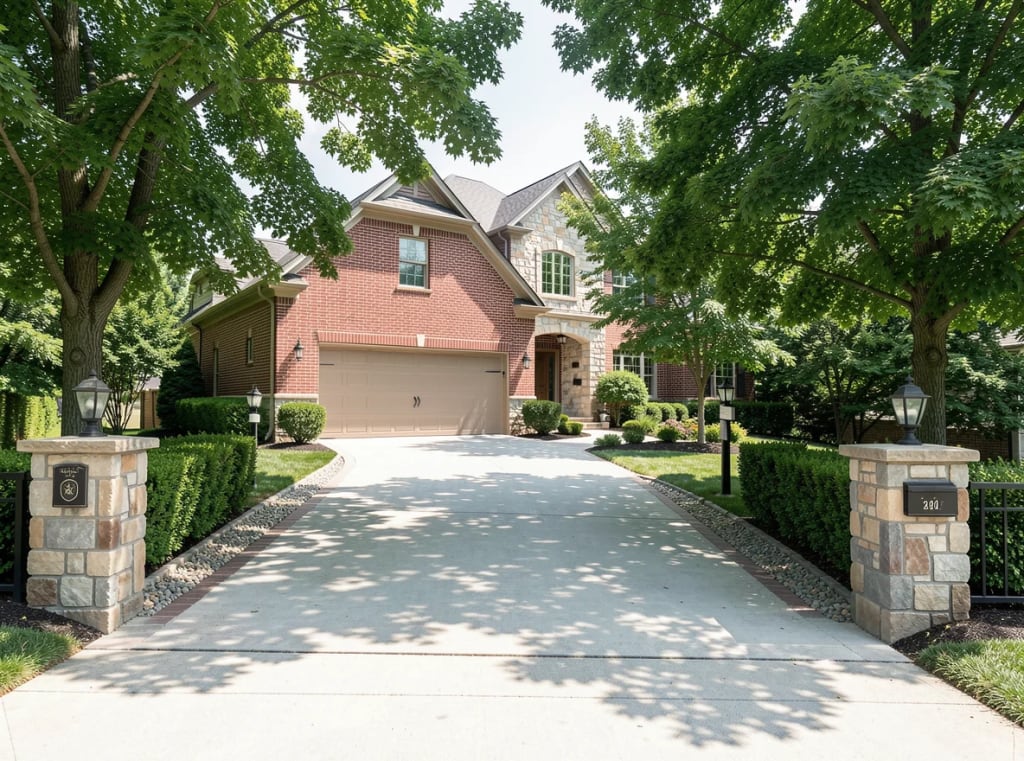
The New Construction Reality Check for Cincinnati-Area Buyers
What Cincinnati Buyers Need to Know About New Construction Right Now
Brand-new homes still carry plenty of appeal—clean finishes, modern layouts, energy-efficient systems, and that satisfying feeling of being the first owner. But for many Cincinnati-area buyers, the reality of purchasing new construction is more layered than the glossy model-home experience suggests. Between lot premiums, upgrade costs, builder contracts, and shifting timelines, “new” does not always mean “simple.” A smart purchase starts with understanding where the surprises tend to hide.
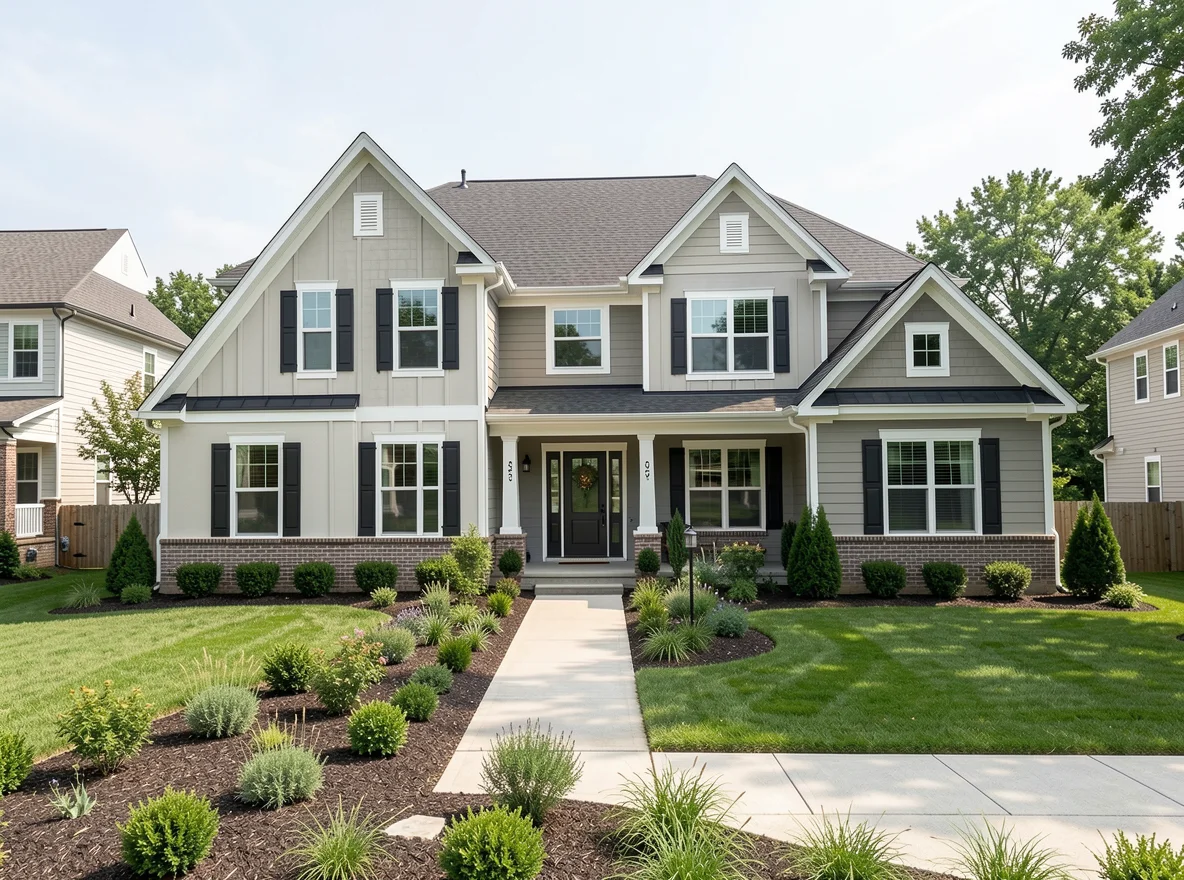
In greater Cincinnati, new construction often attracts buyers moving up from smaller homes, relocating for work, or hoping to trade maintenance headaches for a more turnkey lifestyle. Communities in and around Mason, West Chester, Lebanon, Independence, and parts of Northern Kentucky can offer appealing options, from compact paired homes to larger suburban builds with open-concept living. Yet the advertised base price is rarely the final number. Buyers may quickly discover that the elevation they liked, the lot with a better view, the additional windows, the larger kitchen island, or even a desirable shower layout can all add meaningful cost.
That is why comparison shopping matters. A resale home with mature landscaping, finished window treatments, appliances, and an established neighborhood setting may end up competing surprisingly well against a new build once all builder add-ons are counted. On the other hand, some buyers are happy to pay more upfront for updated systems, current floor plans, and lower near-term maintenance. The right answer depends less on hype and more on your budget, timeline, and tolerance for post-closing expenses.
Another common misconception is that buying from a builder means you do not need representation. In practice, buyers benefit from having an experienced advocate who understands both new construction and resale value. Contracts may differ from standard resale agreements, builder incentives can come with tradeoffs, and deadlines for design selections, financing, and inspections may move quickly. Sally Metz of Coldwell Banker Realty brings deep local knowledge of the Cincinnati market, along with experience spanning both new construction and resale homes, which can help buyers evaluate not just the home itself, but the bigger financial picture around it.
The Real Cost Behind the Model Home Experience
Model homes are designed to inspire, and they do their job well. They are bright, polished, and filled with finishes that feel effortlessly put together. What many buyers do not realize is that these spaces frequently showcase upgraded packages rather than the true base-level product. The flooring underfoot, cabinetry style, lighting selections, trim details, and even the patio door configuration may not be included at the listed starting price.
That gap matters. In the Cincinnati area, an apparently manageable new construction budget can stretch quickly once structural options and design-center selections begin to pile up. A morning room, finished lower level, upgraded countertops, better flooring on the second story, or expanded owner’s bath can turn a comfortable budget into a stressful one. Even exterior items such as decks, fences, irrigation, or landscape enhancements may be postponed or excluded entirely, leaving buyers with additional projects after move-in.

There is also the matter of timing. A home that seems move-in ready “this season” may still be months away, particularly if weather, labor availability, municipal approvals, or supply delays affect progress. For relocating buyers, that uncertainty can complicate lease endings, home sales, school enrollment plans, and temporary housing arrangements. Cincinnati’s four-season climate can also influence build schedules in practical ways, especially during wet or colder stretches when exterior progress slows.
Schools and community feel are part of the equation too. Buyers are not only choosing a floor plan; they are choosing how daily life will work. Access to highly regarded school districts, commuting routes into downtown Cincinnati, nearby parks, youth sports, and community amenities all shape long-term satisfaction. Some new communities deliver neighborhood pools, walking paths, and organized social energy, while others may feel less established at first, with construction traffic still active for months or years. For some households that fresh-start atmosphere is exciting. For others, a mature neighborhood with trees, character, and a settled rhythm may be more appealing.
For buyers who want a balanced view, this is where full-service guidance becomes especially valuable. Coldwell Banker Realty’s broader support—including relocation insight and staging expertise—can help clients think strategically not only about the purchase, but about how their current home sale, move, and next chapter fit together.
Lifestyle, Location, and Resale Still Matter
A new home can feel like the obvious winner in a side-by-side showing, but long-term value is shaped by more than fresh paint and untouched appliances. Neighborhood placement, school district reputation, convenience to employment centers, and overall community identity still drive resale strength. In the Cincinnati region, buyers often weigh suburban growth corridors against established areas with classic architecture, quicker access to local gathering spots, and a stronger sense of place.
Think about everyday living. Will your favorite recreation options be close by—golf, neighborhood parks, riverfront destinations, trails, or weekend outings to community events? Will errands be easy? Is the commute to Blue Ash, downtown Cincinnati, or Northern Kentucky manageable at the times you actually travel? A new house on paper can lose some of its shine if the surrounding routine feels inconvenient. Conversely, a thoughtfully chosen new community can offer the best of both worlds: modern living with practical access to schools, dining, recreation, and regional employment hubs.
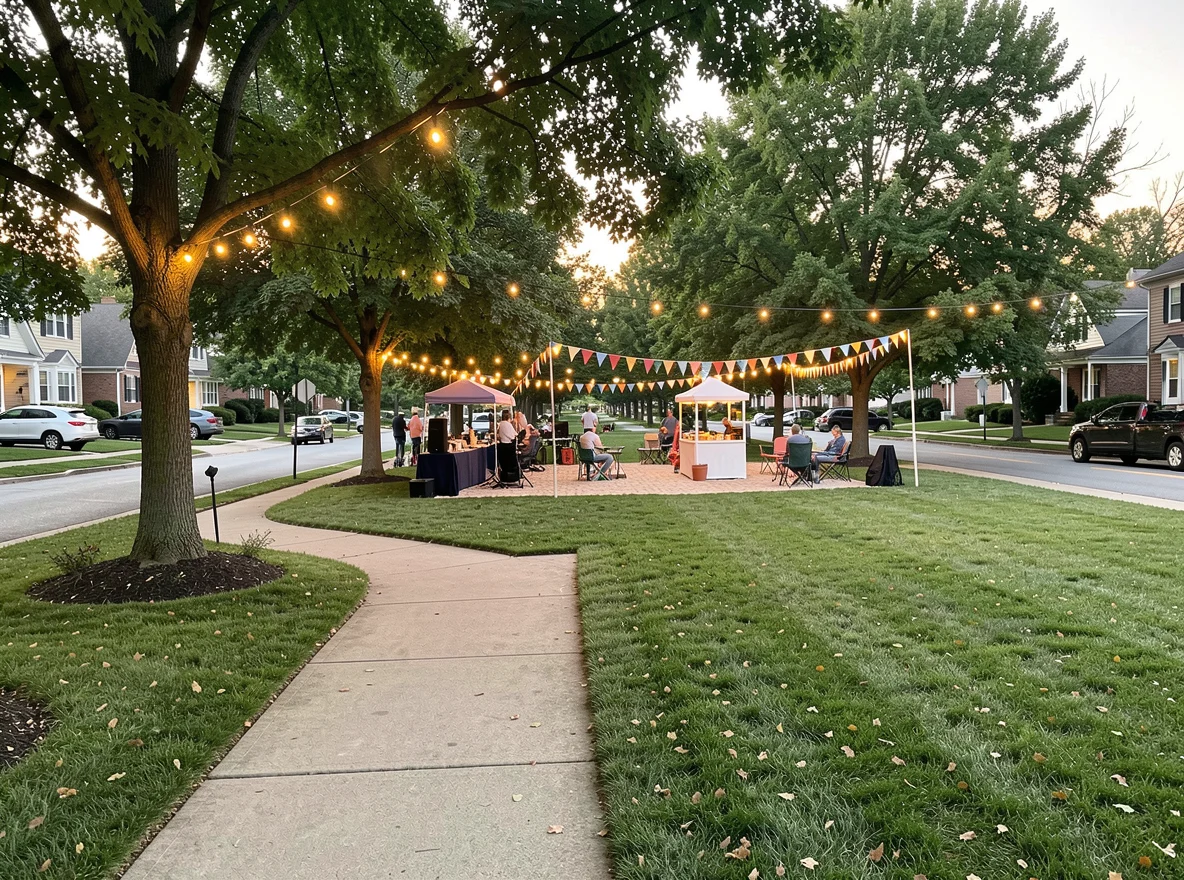
It is also wise to ask what the first few years of ownership may look like. New construction can reduce immediate maintenance, but it may also come with incomplete neighborhood build-out, limited shade, and additional costs for finishing spaces the builder leaves basic. Resale homes may require updates, yet they often offer more established surroundings and clearer evidence of how the neighborhood has held value over time. Neither path is automatically better; the goal is matching the home to the buyer’s priorities rather than chasing a label.
The strongest buyers approach new construction with clear eyes. They tour communities, read contracts carefully, confirm what is included, compare lender options, and evaluate whether the total investment aligns with their goals. They also ask the same question they would ask of any home: if life changes in five to seven years, will this still be a smart move?
That is the real reality check. In the Cincinnati market, new construction can be a fantastic opportunity—but only when buyers look beyond the decorated model and understand the full picture. With thoughtful planning and local guidance, it is possible to separate marketing sparkle from genuine value and make a move that feels just as good on closing day as it does years later.